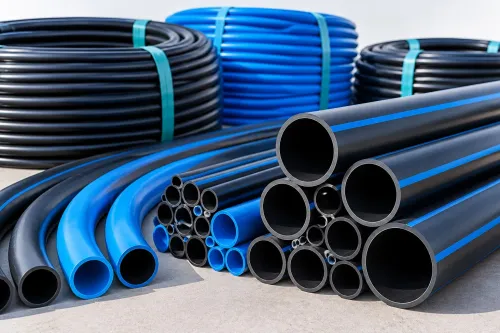
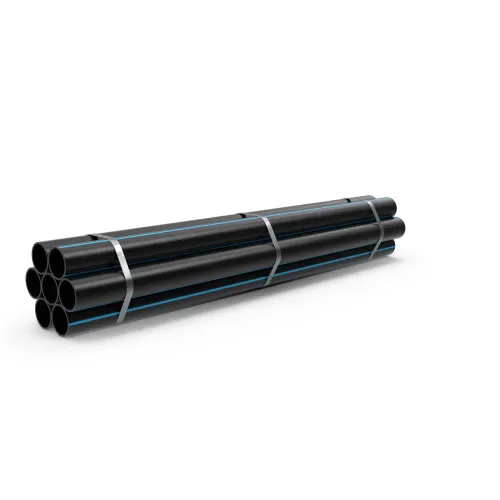
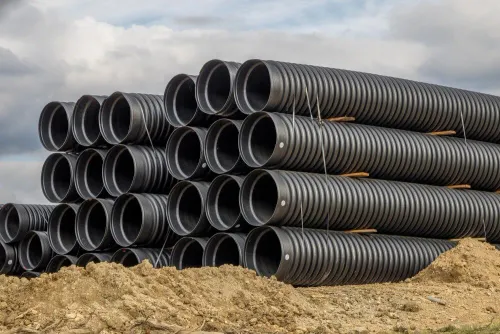
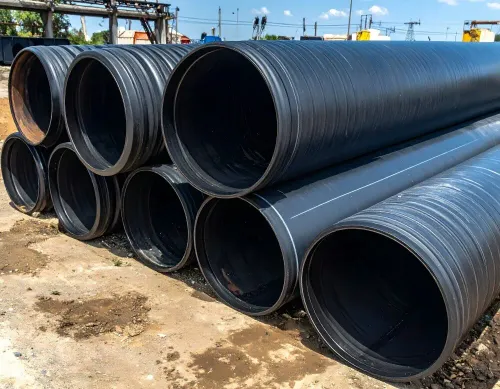
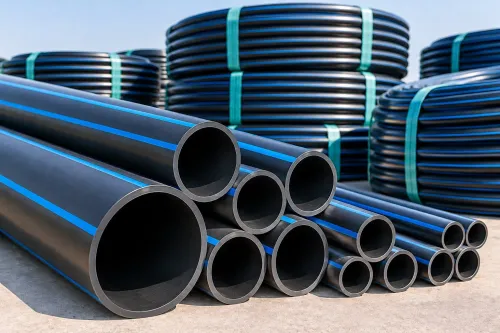
Polyethylene pipes are used in water distribution, irrigation, drainage, industrial systems, and underground infrastructure. Their flexibility and resistance to corrosion make them suitable for many demanding applications, but selecting a supplier solely through the lowest quotation can create avoidable project risks.
When comparing Polyethylene Pipe Suppliers Pune buyers should evaluate the complete supply package, including product specification, fittings, delivery planning, and installation compatibility.
Why Similar-Looking Pipes May Perform Differently
Pipes with the same nominal diameter may differ in wall thickness, pressure capability, material composition, dimensional consistency, and intended application. These differences are not always obvious during a visual inspection.
The procurement team should therefore request complete product details instead of relying only on size and colour.
A Five-Step Supplier Evaluation Process
1. Define the Operating Conditions
State what the pipe will carry, the required flow, expected working pressure, temperature conditions, installation environment, and potential exposure to chemicals.
2. Review the Proposed Specification
Check whether the suggested diameter and pressure class correspond with the project design. Any substitution should be reviewed before approval.
3. Confirm the Complete Material Scope
A workable pipeline may require more than straight pipe lengths. Confirm the availability of:
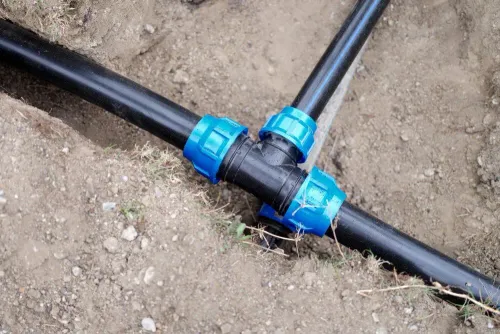
- Bends and tees
- Couplers and reducers
- End connections
- Valves and adaptors
- Jointing accessories
- Application-specific fittings
4. Examine Supply Capacity
Large projects may require scheduled deliveries rather than a single shipment. Ask whether the supplier can support the required quantity within the construction programme.
5. Compare the Total Procurement Cost
Assess the complete cost by considering:
- Pipe price
- Fitting requirements
- Transportation charges
- Unloading arrangements
- Installation implications
- Possible material wastage
Match the Supplier to the Project Scale
A small agricultural installation and a large industrial pipeline require different levels of supply coordination. Industrial and infrastructure buyers may need phased dispatches, documentation, technical clarification, and consistent batches.
For projects across Pune and Maharashtra, transport routes and unloading conditions should also be discussed early. This is especially relevant when delivering long pipe sections or bulk quantities to congested or remote sites.
Prepare for Installation Before Delivery
Confirm where the pipes will be stored, how they will be moved, and which joining equipment will be used. The installation team should understand the required handling and jointing procedures before work begins.
Harsh Agro Pipes And Fittings supplies polyethylene piping solutions from Pune for water, irrigation, drainage, and industrial uses. Procurement teams can send a detailed bill of quantities and project schedule to receive a quotation aligned with the required specifications, fittings, delivery stages, and site conditions.
Keywords