Efficient irrigation depends on delivering the required amount of water to crops without excessive leakage, pressure loss, or energy consumption. The pipe network plays a central role in this process because it connects the water source with the distribution points across the farm.
While evaluating Irrigation Pipe Manufacturers Pune farmers and agricultural contractors should consider crop requirements, field layout, water quality, operating pressure, and future expansion. A pipe suitable for one farm may not necessarily perform well in another.
Begin With the Irrigation Method
The type of irrigation system directly influences pipe selection. Drip irrigation distributes water close to the plant root zone, while sprinkler systems require sufficient pressure to operate effectively. Mainline and sub-main pipes may also have different diameter and pressure requirements.
Before comparing products, determine:
- The irrigation method being used
- Total cultivated area
- Water source and pumping capacity
- Distance between the source and fields
- Difference in elevation across the land
- Number of irrigation zones
These details help establish the required flow rate and suitable pipeline size.
Why Pipe Diameter Matters
An undersized pipe can restrict flow and create excessive pressure loss. This may cause uneven water delivery, particularly at the far end of the field. An unnecessarily large pipe may increase the initial investment without providing a meaningful operational benefit.
Correct sizing helps maintain balanced distribution and can reduce the load on the pumping system. Agricultural buyers should therefore select diameter through basic hydraulic planning rather than guesswork.
Check Suitability for Farm Conditions
Agricultural pipelines may be exposed to direct sunlight, soil movement, fertilisers, moisture, machinery, and seasonal handling. Material quality and installation practices should reflect these conditions.
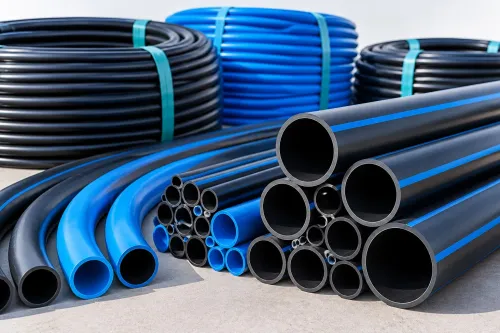
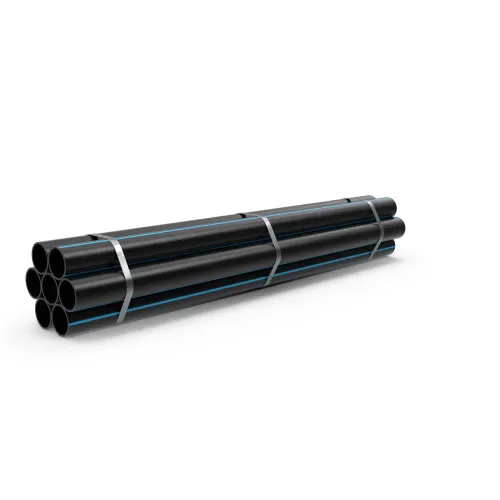
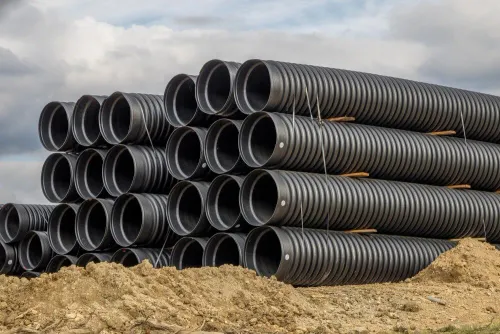
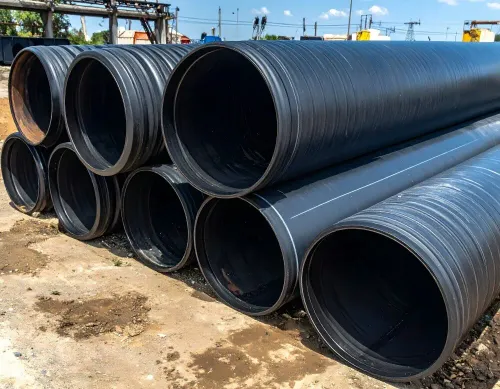
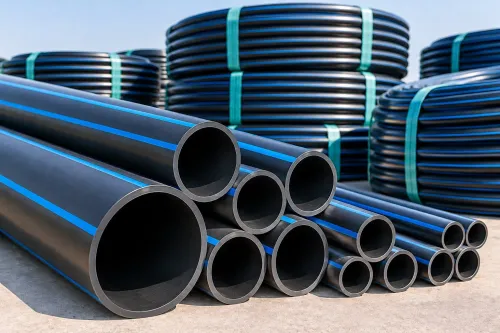
HDPE pipes are frequently considered for farm water distribution because they offer flexibility and resistance to corrosion. Drip pipes are designed for controlled irrigation, while other pipe types may be required for borewell connections, mainlines, or drainage.
Questions to Ask Before Buying
A productive discussion with the manufacturer should cover:
- Which pipe type suits the intended irrigation method?
- What pressure rating is required?
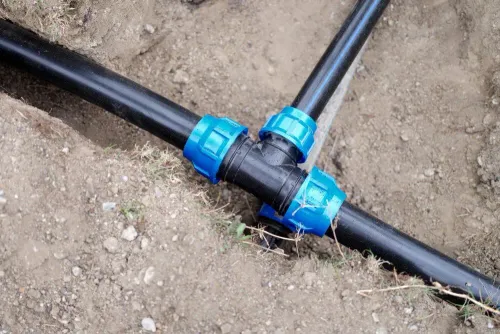
- Are compatible fittings readily available?
- Can the pipe handle the planned working conditions?
- What joining method will be used?
- How should the material be stored before installation?
Plan for Maintenance and Expansion
Farm layouts frequently change as cultivated areas increase or crop patterns evolve. A well-planned irrigation network should provide reasonable access for inspection, flushing, isolation, and extension.
Harsh Agro Pipes And Fittings manufactures HDPE and drip piping solutions in Pune for agricultural applications. Farmers and irrigation contractors can share their field size, water source, operating pressure, and preferred irrigation method to receive a suitable product recommendation for their Maharashtra-based project.
Keywords