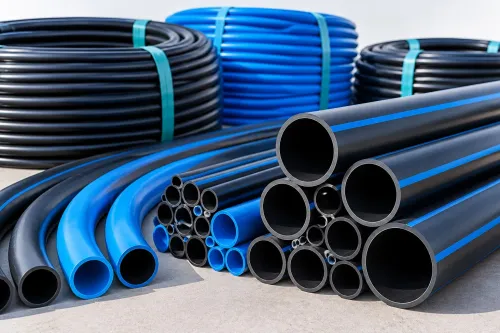
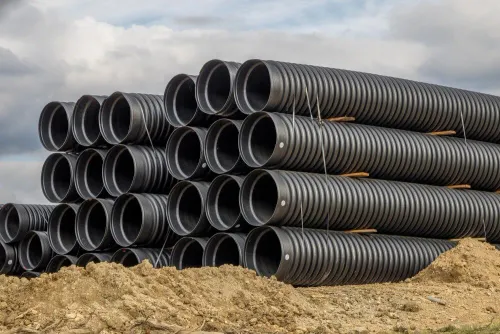
A sewage pipeline must handle continuous flow, underground conditions, changing loads, and exposure to wastewater without frequent disruption. Pipe selection therefore needs to focus on the performance of the entire system rather than only the purchase price of individual lengths.
When assessing HDPE Sewage Pipe Manufacturers Pune contractors and developers work with, buyers should review pipe suitability, jointing requirements, hydraulic performance, and site-specific installation conditions.
Why HDPE Is Considered for Sewage Pipelines
HDPE does not rust like conventional metal, making it suitable for moist underground environments. Its smooth internal surface can support efficient flow when the system has been designed with the correct diameter and gradient.
The material is also flexible, which may help it accommodate moderate soil movement and route changes. However, flexibility does not eliminate the need for proper trench preparation, bedding, backfilling, and installation supervision.
Leak Control Begins at the Joints
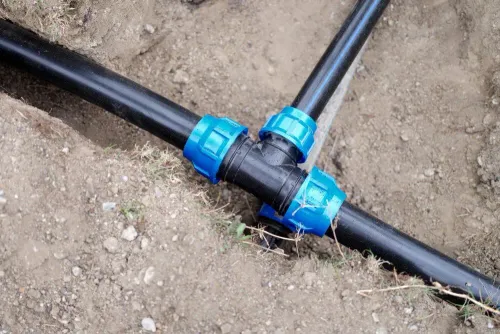
Pipeline reliability depends heavily on connection quality. Even a well-manufactured pipe may perform poorly if joint surfaces are dirty, misaligned, or joined using unsuitable equipment and procedures.
A sound sewage pipeline requires attention to two fundamentals:
- Correct system design: Pipe diameter, flow capacity, slope, burial depth, inspection access, and external loading should be established before procurement.
- Controlled installation: Joint preparation, alignment, trench bedding, backfilling, and testing should follow the approved project method.
Local Conditions Can Influence Selection
Pune’s sewage and drainage projects may pass through residential developments, industrial areas, road crossings, or expanding peripheral zones. Soil conditions, groundwater, monsoon runoff, and traffic loading may vary between sites.
A shallow residential line and a pipeline installed below a busy road will not face identical external pressures. The chosen pipe specification should therefore account for its actual placement and anticipated load conditions.
Do Not Treat Sewage and Stormwater as the Same Requirement
Sewage networks carry wastewater, while stormwater systems manage rainfall runoff. Their flow patterns, access requirements, and design considerations differ. Combining assumptions from both systems can result in incorrect sizing or unsuitable components.
Project teams should clearly communicate whether the requirement is for gravity sewerage, wastewater transfer, stormwater drainage, or another application. This distinction helps manufacturers recommend a more relevant solution.
Harsh Agro Pipes And Fittings offers HDPE and DWC piping solutions in Pune, Maharashtra, for drainage and sewerage-related applications. Developers, contractors, and infrastructure teams can share drawings, required dimensions, operating conditions, and delivery schedules to obtain application-focused product guidance before finalising the pipeline material.
Keywords