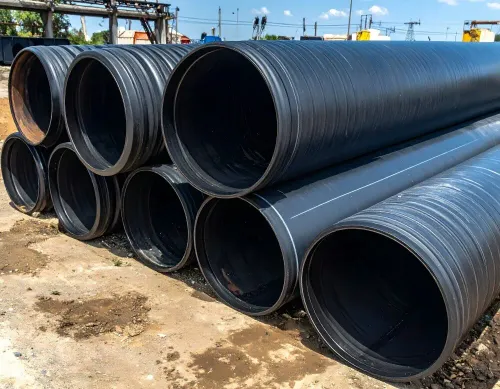
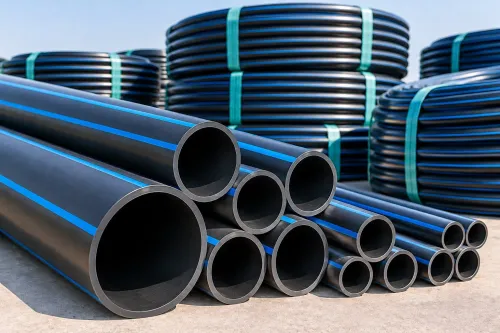
Pune’s rapid growth in residential development, agriculture, manufacturing, and public infrastructure has increased the need for dependable piping systems. HDPE pipes are widely considered for these applications because they combine flexibility, corrosion resistance, and practical installation benefits.
However, not every pipe delivers the same performance. Understanding how HDPE Pipe Manufacturers in Pune approach material quality and production can help contractors, farmers, engineers, and project owners make informed decisions.
What Is an HDPE Pipe?
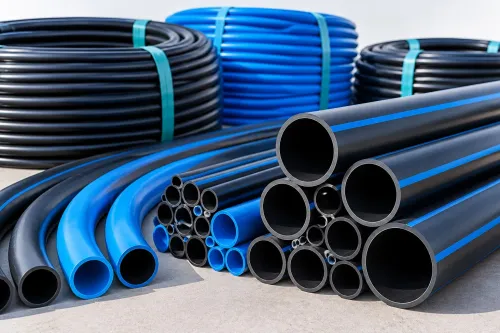
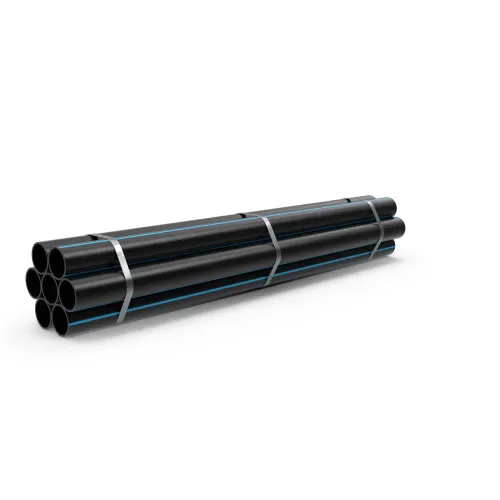
High-density polyethylene, commonly known as HDPE, is a thermoplastic material used to manufacture pipes for carrying water, wastewater, chemicals, and other fluids. Unlike conventional metallic pipes, HDPE pipes do not rust when exposed to moisture.
Their flexibility also allows them to accommodate moderate ground movement and installation stress. This quality can be particularly useful in Maharashtra, where pipelines may pass through agricultural land, developing urban areas, and varied terrain.
Important Qualities of a Reliable HDPE Pipe
A dependable HDPE pipe should be manufactured with attention to raw material consistency, wall thickness, dimensional accuracy, and pressure-handling capacity. Variations in any of these areas may affect joint integrity or long-term performance.
Two qualities deserve particular attention:
- Uniform construction: Consistent pipe diameter and wall thickness help support proper jointing, predictable flow, and stable performance throughout the pipeline.
- Application suitability: The selected pipe should match the required diameter, pressure class, operating conditions, and intended use rather than being chosen only by price.
Where Are HDPE Pipes Commonly Used?
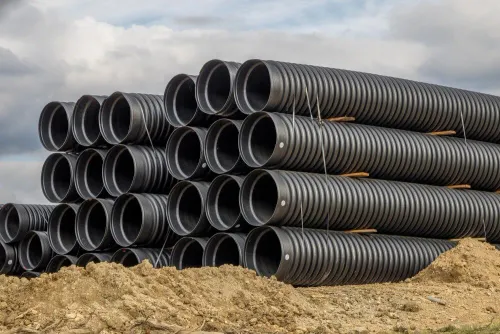
HDPE pipes support numerous applications across Pune and other parts of Maharashtra. They may be used for potable water distribution, irrigation networks, drainage systems, industrial fluid transfer, and underground utility projects.
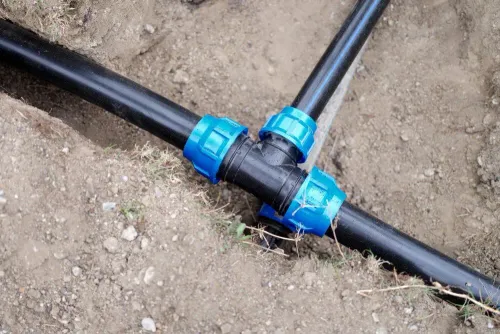
They are also valued in locations where pipeline routes require bends. Since HDPE provides greater flexibility than many rigid materials, fewer directional fittings may be required in suitable layouts. The exact design should still be based on site conditions and engineering requirements.
Why Manufacturing Quality Matters
A pipeline is a connected system, so the performance of the completed installation depends on more than the visible appearance of an individual pipe. Material grade, extrusion consistency, joint preparation, and installation methods collectively influence reliability.
Before finalising a product, buyers should discuss operating pressure, fluid type, burial conditions, exposure to sunlight, and expected service environment with the manufacturer. These details help determine whether the proposed pipe specification is appropriate.
Harsh Agro Pipes And Fittings manufactures HDPE pipes in Pune for water supply, drainage, and industrial applications. Project planners can share their application details with the company to better understand suitable pipe specifications before beginning procurement.
Keywords