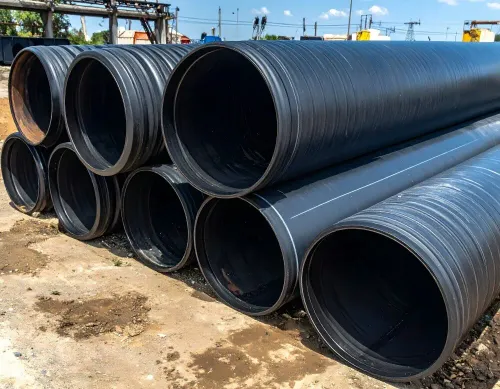
Agricultural piping is not limited to a single product. A farm may require one pipe for moving water from a borewell, another for distributing it across fields, and a separate system for drainage or controlled irrigation.
Choosing Agricultural Pipes Pune farms can use effectively begins with understanding the function of each pipeline. Product selection should account for water availability, crop pattern, field size, pressure conditions, and local terrain.
Main Agricultural Pipe Applications
Farm piping systems commonly support:
- Borewell and source-water connections
- Mainline water transportation
- Drip and sprinkler irrigation
- Fertigation distribution
- Farm drainage
- Water supply to tanks and storage points
- Greenhouse and nursery irrigation
- Livestock water distribution
Each application may require a different diameter, pressure capability, construction, or connection method.
HDPE Pipes for Main Water Movement
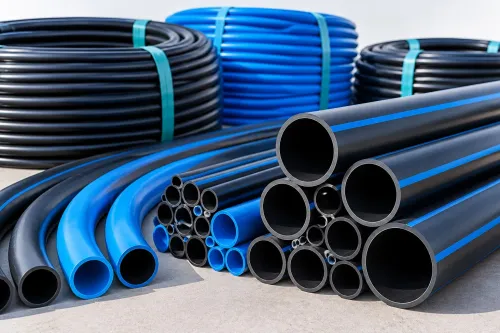
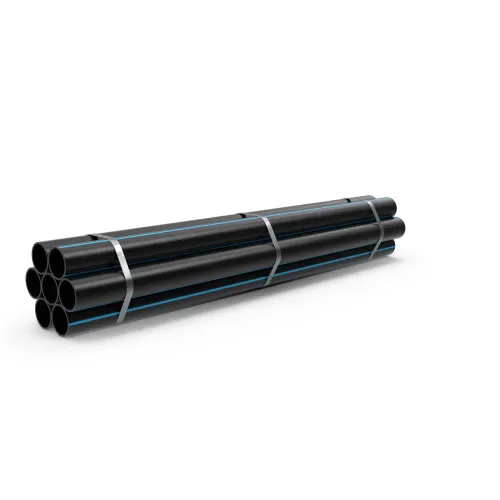
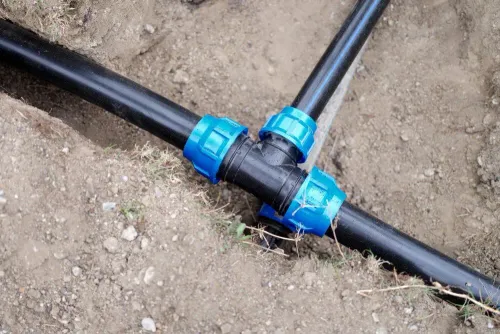
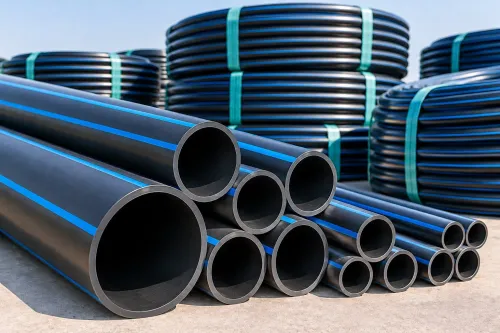
HDPE pipes are widely considered for agricultural water transportation because they are flexible and resistant to corrosion. They can be used for suitable above-ground or underground installations, subject to the selected specification and installation method.
Their flexibility can simplify routing across uneven farm layouts. Fewer directional fittings may be required in certain designs, although bends should remain within permitted limits.
Drip Pipes for Targeted Irrigation
Drip irrigation delivers water closer to crop roots and can support controlled watering. It is particularly useful where water conservation and accurate distribution are priorities.
Effective drip performance depends on:
- Suitable filtration
- Correct pressure management
- Appropriate lateral spacing
- Regular flushing
- Compatible emitters and connectors
- Timely inspection for blockages
A drip system should be planned according to crop spacing, soil type, water quality, and field dimensions.
Drainage Requirements Should Not Be Ignored
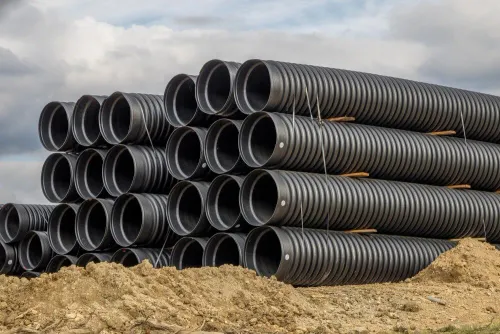
Excess water can damage roots, reduce soil aeration, and interrupt field operations. Farms exposed to heavy monsoon rainfall or waterlogging may require planned drainage alongside irrigation.
The drainage route, expected water volume, soil conditions, and discharge point should be assessed before selecting a pipe. Irrigation and drainage lines should not be treated as identical systems.
Practical Selection Checklist
Before ordering agricultural pipes, verify:
- The purpose of every pipeline section
- Pump discharge and expected pressure
- Required flow at the farthest point
- Total pipe length and elevation changes
- Availability of compatible fittings
- Scope for future farm expansion
Harsh Agro Pipes And Fittings manufactures HDPE, drip, and drainage-related piping solutions in Pune. Agricultural customers can share their farm layout and water-distribution requirements to explore suitable pipe options for reliable operation under Maharashtra’s seasonal farming conditions.
Keywords